

The 1960s was a golden age for Ferrari thanks to the decade’s sporting triumphs, technical innovations and iconic designs. Embodying Italian excellence in both sports and luxury automobile production, the cars produced at this time are amongst the most beautiful and desirable models in automotive history.
Here, we retrace the history of some of the most important 1960s Ferrari models and shine a light on their distinctive features and role in building the Prancing Horse legend.
Ferrari 250 SWB
Produced between 1959 and 1962, this short wheelbase (SWB) version of the Ferrari 250 GT Berlinetta is one of the Ferraris that collectors love most. Its short wheelbase (2400 mm) chassis makes it exceptionally agile, while its 3-litre V12 engine produces approximately 280 hp. The bodywork, designed by Pininfarina and built by Scaglietti, is a masterpiece of elegance and sports style. The 250 SWB won numerous races that built its reputation as a highly successful racing car.
Ferrari 250 GTO
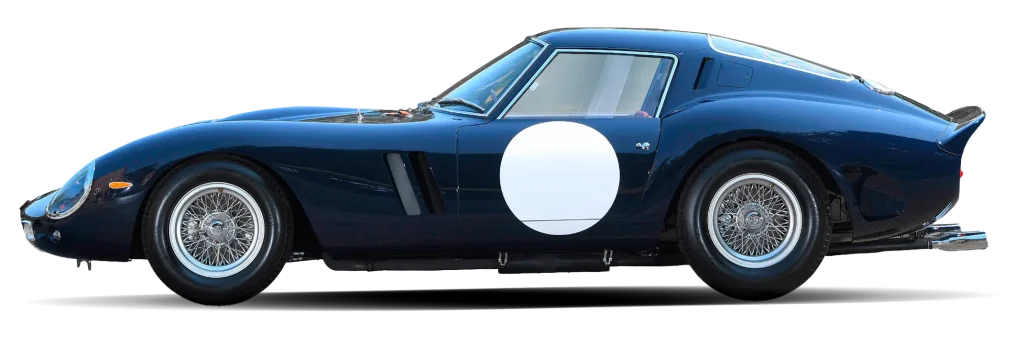
The Ferrari 250 GTO, produced between 1962 and 1964, is widely considered to be the Ferrari par excellence. With a production run of just 36, the GTO was designed to dominate Gran Turismo races. Its 3-litre V12 engine delivers approximately 300 hp and the car’s advanced aerodynamics, developed in a wind tunnel, give it an extraordinary level of performance. The 250 GTO won numerous championships, making it a legend in the world of motorsports.
Ferrari 250 GTL
The Ferrari 250 GT Lusso (GTL), produced between 1963 and 1964, is a luxury grand tourer that combines elegance and performance. The bodywork, designed by Pininfarina and built by Scaglietti, stands out for its fluid, refined contours. Its 3-litre V12 engine is the same as the one fitted on the 250 SWB, but here it was fine-tuned to give it slightly less power, but more driveability. The 250 GTL was widely applauded for its comfort and elegance, and it was particularly popular with celebrities from the period.
Ferrari 275 GTB/2
Unveiled in 1964, the Ferrari 275 GTB was developed from the 250 series. Its V12 engine was increased to 3.3 litres, with a power of approximately 280 hp. The 275 GTB was the first Ferrari road model to adopt a transaxle gearbox (mounted at the rear, together with the differential), for better weight distribution. The bodywork, designed by Pininfarina and built by Scaglietti, is a combination of elegance and aggression. The GTB/2 version included improvements to the gearbox and other details.
Ferrari 275 GTS
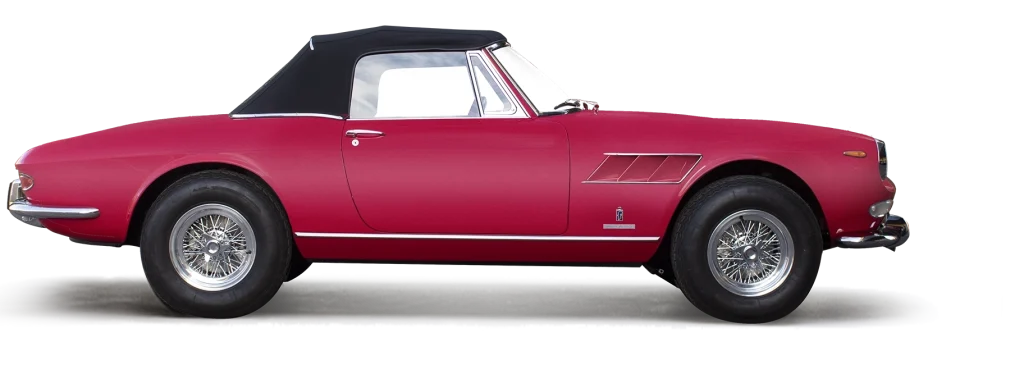
The Ferrari 275 GTS, presented simultaneously with the GTB in 1964, is the spider version of the 275 series. The bodywork, designed by Pininfarina, is more sober and elegant than the GTB, but maintains its racing character. The 3.3-litre V12 engine produces approximately 260 hp, guaranteeing brilliant performance levels. The 275 GTS had a limited production run and is much sought after by collectors.
Ferrari 330 GT 2+2
Presented in 1964, the Ferrari 330 GT 2+2 is a four-seater grand tourer that offers a brilliant compromise of performance, comfort and space. The 4-litre V12 engine produces approximately 300 hp. The bodywork, designed by Pininfarina, is elegant and discreet, and features a spacious, beautifully finished cockpit. The 330 GT 2+2 was a great commercial success that became one of the best-selling 1960s Ferraris.
Ferrari 500 Superfast
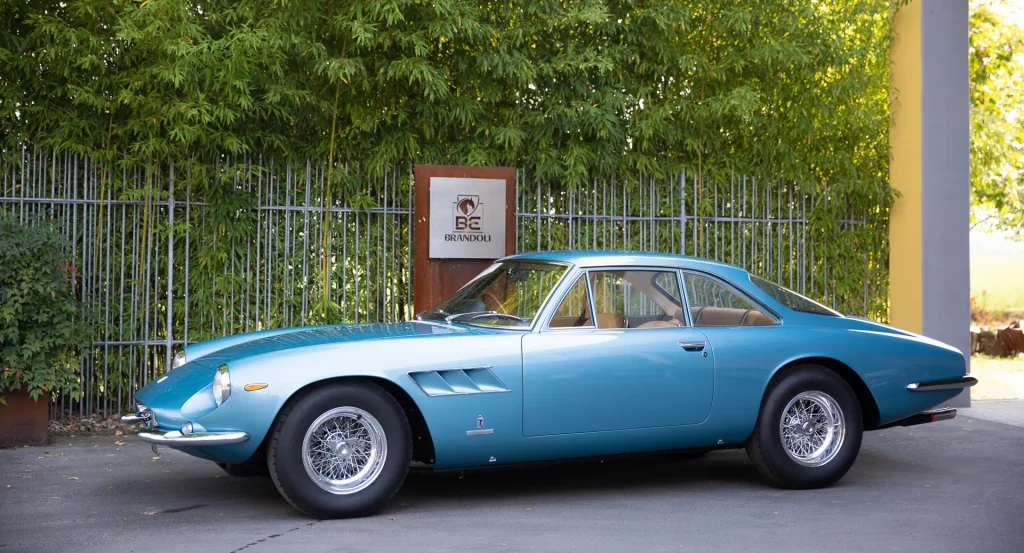
Produced between 1964 and 1966, the Ferrari 500 Superfast was the flagship of the Ferrari range in the 1960s. Its 5-litre V12 engine produces approximately 400 hp, guaranteeing exceptional performance for this period. The bodywork, designed by Pininfarina, is elegant and powerful, with a luxuriously refined cockpit. With a limited production run of just 36, the 500 Superfast is a refined and highly exclusive model.
Ferrari 275 GTB/4
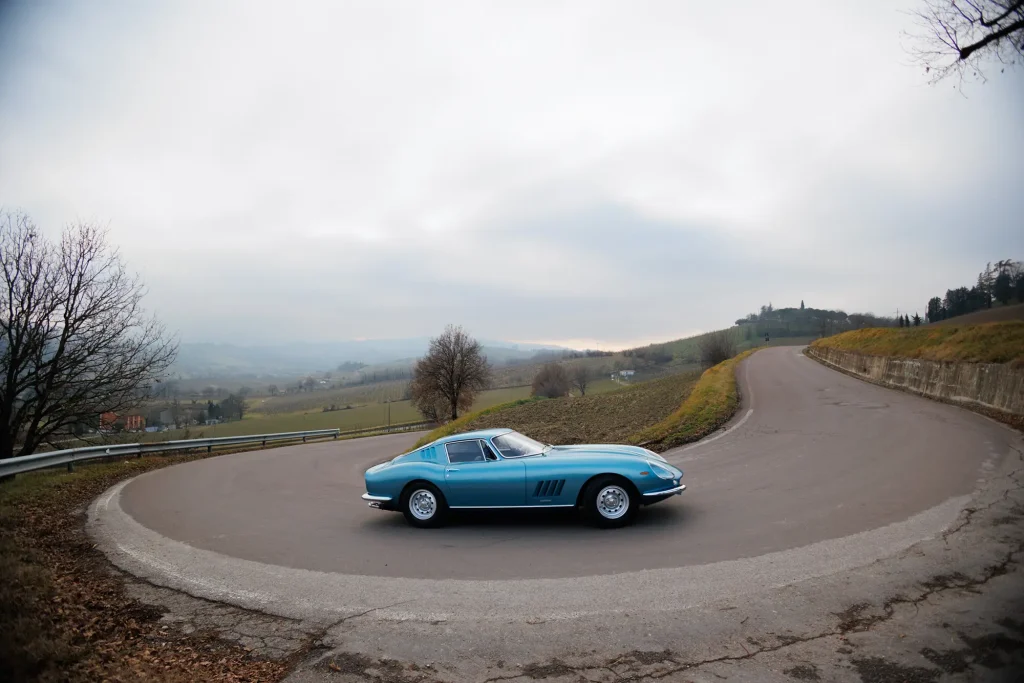
In 1966, Ferrari presented the 275 GTB/4, a spin-off from the 275 GTB. Its main innovation was the adoption of four overhead camshafts (two per bank), hence the “4” in its name. This change increases the power of the 3.3-litreV12 engine to approximately 300 hp. Thanks to its advanced performance and driveability, the 275 GTB/4 is considered by many to be the best 275 series spin-off.
Ferrari 330 GTC
Unveiled in 1966, the Ferrari 330 GTC is a sports coupé that sits between the 275 GTB/4 and the 330 GT 2+2. Its 4-litre V12 engine produces approximately 300 hp, guaranteeing brilliant performance levels. The bodywork, designed by Pininfarina is elegant and streamlined. This stunning combination of performance, comfort and driveability made the 330 GTC extremely popular.
Ferrari 330 GTS

Presented in 1966, the Ferrari 330 GTS is the spider version of the 330 GTC. The bodywork, designed by Pininfarina, is elegant and refined, with a fold-back soft top. Its 4-litre V12 engine is the same as the one mounted on the GTC, with a power of approximately 300 hp. The 330 GTS had a limited production run and is much sought after by collectors.
Ferrari 365 California
Just 14 models of this luxury spider, the Ferrari 365 California, were produced between 1966 and 1967. Its 4.4-litre V12 engine produces approximately 320 hp. The bodywork, designed by Pininfarina, is elegant and powerful, and its cockpit is luxuriously finished. The 365 California is widely regarded as one of the rarest and most desirable of all Ferraris.
Ferrari Dino 206 GT
Unveiled in 1967, the Dino 206 GT is the first Ferrari road car to be fitted with a V6 in a central-rear position. The name “Dino” is a tribute to Enzo Ferrari’s son, who passed away prematurely. The 2-litre engine produces approximately 180 hp. The bodywork, designed by Pininfarina, stands out for its sleek, modern contours. The Dino 206 GT paved the way to a new generation of more compact and accessible Ferraris.
Ferrari 365 GTB/4 Daytona
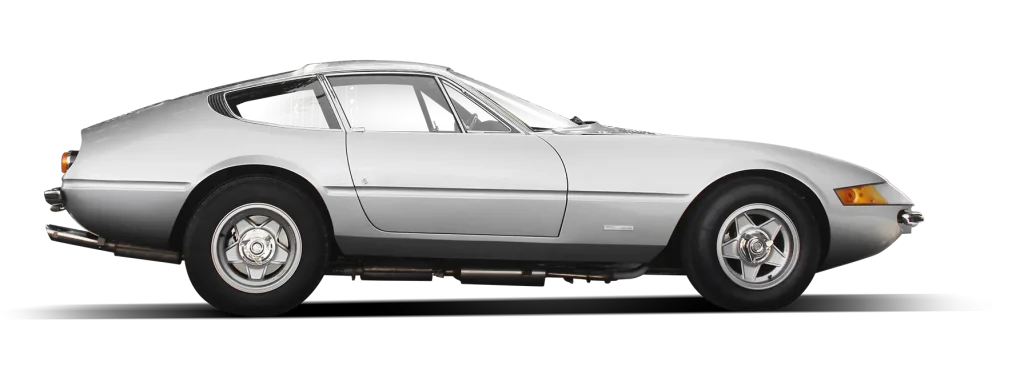
Presented at the Paris Motor Show in 1968, the Ferrari 365 GTB/4 Daytona is one of the most iconic Ferraris of all time. Its unofficial name, “Daytona”, pays tribute to Ferrari’s victory at the 1967 24 Hours of Daytona. Its 4.4-litre V12 engine produces approximately 352 hp. The bodywork, designed by Leonardo Fioravanti for Pininfarina, is distinguished by its shark-like nose, retractable headlights and truncated tail. The Daytona won numerous races that built its reputation as an exceptional sports car.
Ferrari 365 GTC
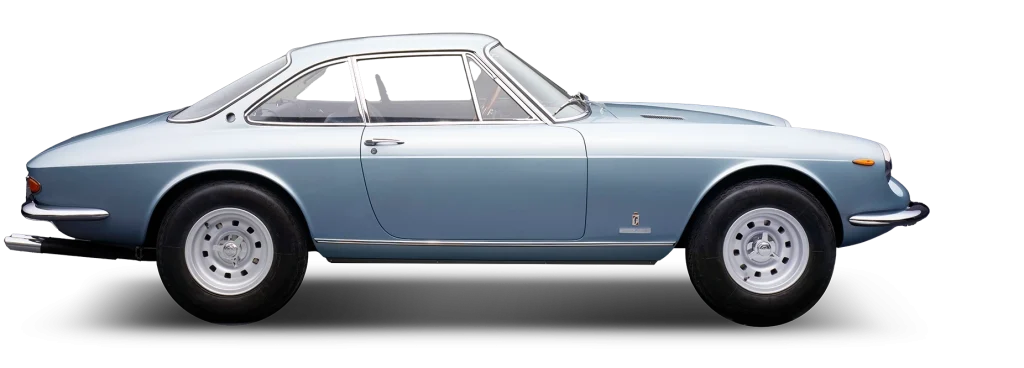
Presented in 1968, the Ferrari 365 GTC is the heir to the 330 GTC. Its V12 engine was increased to 4.4 litres, with a power of approximately 320 hp. The bodywork, designed by Pininfarina, is similar to that of the 330 GTC, but also included alterations to improve its aerodynamics. The 365 GTC had a limited production run and has become one of the models collectors desire most.
Ferrari 365 GTS
Presented in 1969, the Ferrari 365 GTS is the spider version of the 365 GTC. The bodywork, designed by Pininfarina, is elegant and refined, with a fold-back soft top. Its 4.4-litre V12 engine is the same as the one mounted on the GTC, with a power of approximately 320 hp. The 365 GTS had a production run that was even more limited than the GTC, so the model has become extremely rare and precious.
Conclusions
The 1960s were a period of extraordinary creativity and success for Ferrari that forged legends on both road and track. Today, these icons are highly sought-after treasures that bear witness to a golden age of motoring. But time inexorably leaves its mark. This is why it is essential to put your trust in the hands of experts.
Brandoli is not just a bodyshop, it is an atelier where the art of restoration meets a genuine passion for Classic Ferraris. We treat every car from the 1950s, ‘60s and ‘70s as a unique creation and our approach goes way beyond simple repairs. Each project is a renaissance crafted in meticulous detail by expert artisans who, like us, know every secret of these incredible cars.
The process is always personalised, too. So, every centimetre of the bodywork and every detail of the car is checked, restored or reproduced, so it is exactly the same as the original. At Brandoli, we always work with the customer, to recover their car’s vintage beauty, make it completely functional again and restore the splendour of its unique spirit.
So, if you own a Classic Ferrari, don’t entrust it to just anyone. Choose the experience and dedication of Brandoli, where restoration is an art, handed down from generation to generation, to pay tribute to the history and legend of the Prancing Horse.
Contact us at cecilia@brandoli.it